
📍 Madre de Dios, Peru
Together for Forests cooperative-led REDD+
A cooperative-led REDD+ project safeguarding over 260,000 hectares of Amazon rainforest in Peru’s Madre de Dios — the country’s biodiversity capital and one of the most biologically rich places on Earth, home to 37 indigenous communities and extraordinary wildlife.
Amazon rainforest protected
Indigenous communities
People in the region
Project start year
ABOUT THE PROJECT
Peru’s biodiversity capital, protected by the people who know it best
Madre de Dios is Peru’s “biodiversity capital” — home to hundreds of rare and endangered species, the world’s greatest concentration of bird diversity, and 37 indigenous communities, some living in voluntary isolation. In recent decades, this irreplaceable ecosystem has faced intense pressure from the Inter-Oceanic Highway expansion, illegal mining, illegal logging, and agricultural conversion.
Together for Forests responds by empowering the concession holders who have always lived alongside the forest to lead its protection — combining local knowledge with carbon finance, sustainable livelihoods, and rigorous environmental safeguards.
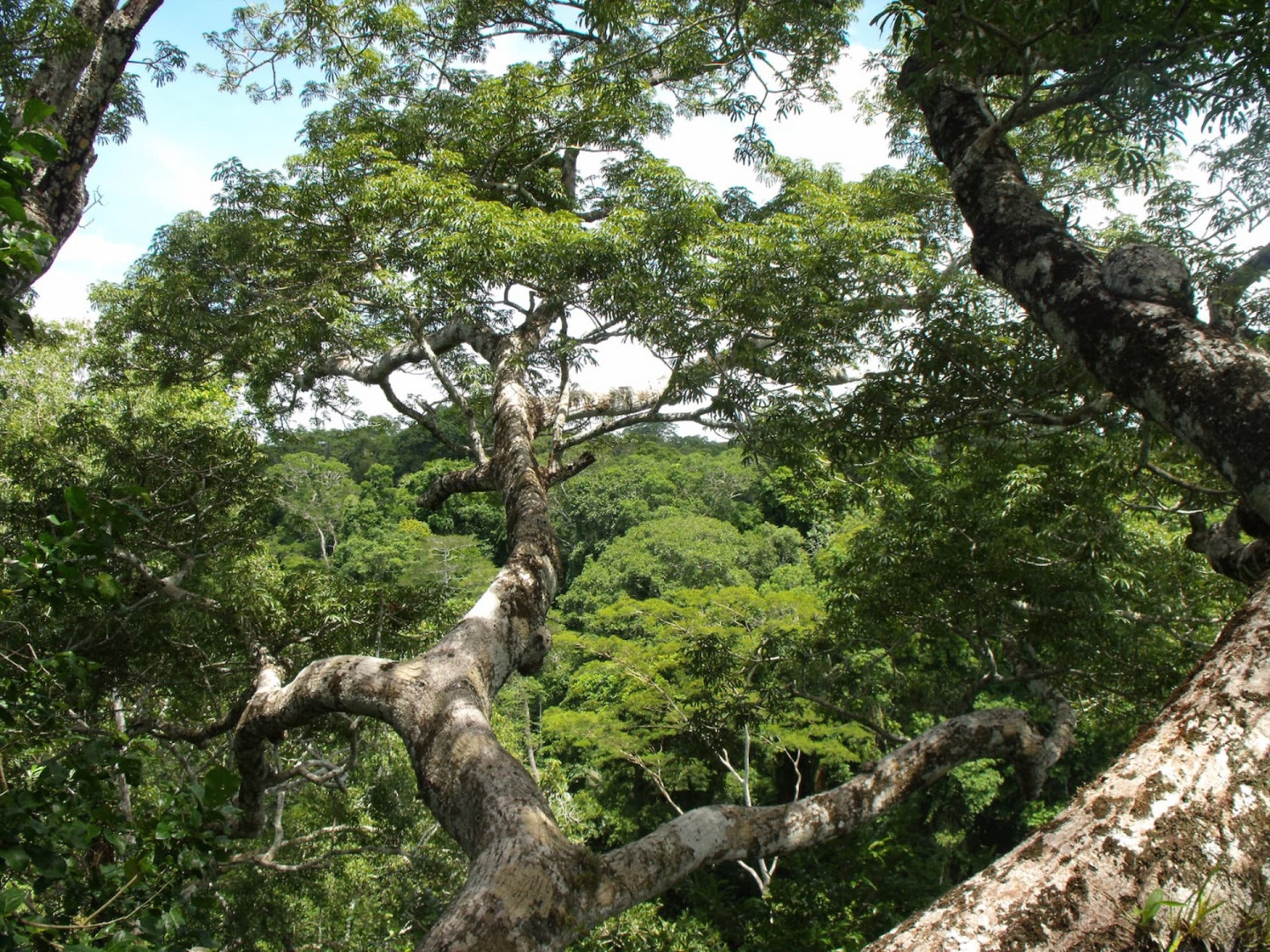
Why this project stands apart
✓
Cooperative ownership model — forest concession holders lead and directly benefit from conservation
✓
One of the most biodiverse regions on Earth — UNESCO-recognised Madre de Dios ecosystem
✓
Validated under Verra VCS with CCB Standards — environmental, social, and climate integrity
✓
Addresses multiple deforestation drivers simultaneously — mining, logging, and agricultural conversion
✓
Integrates agroforestry on degraded land, creating sustainable income alternatives to deforestation
✓
Silvania financing and marketing agreement securing long-term project viability and credit offtake
The cooperative model
Conservation owned and led by forest communities
This cooperative approach creates genuine long-term conservation incentives — members protect the forest because it is theirs, and because it provides sustainable income for their families. Carbon finance amplifies what communities are already committed to doing.
Biodiversity
One of the most biodiverse places on Earth
Madre de Dios is not just a forest — it is a living library of life, recognised globally as an irreplaceable biodiversity hotspot that Together for Forests is committed to protecting for generations to come.
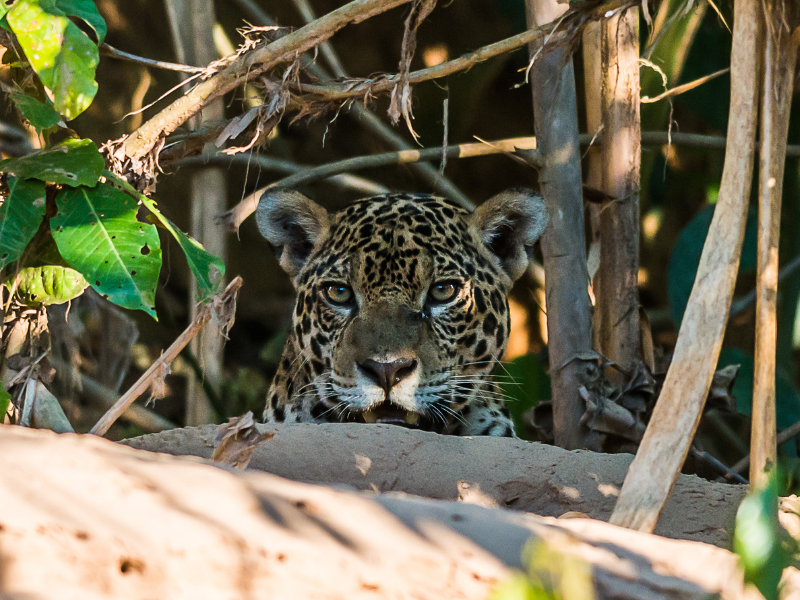
“Madre de Dios is Peru’s biodiversity capital — a globally recognised hotspot providing critical habitat to hundreds of rare and endangered species, from jaguars and tapirs to caimans and the world’s greatest concentration of bird species.”
Program activities
How the project works
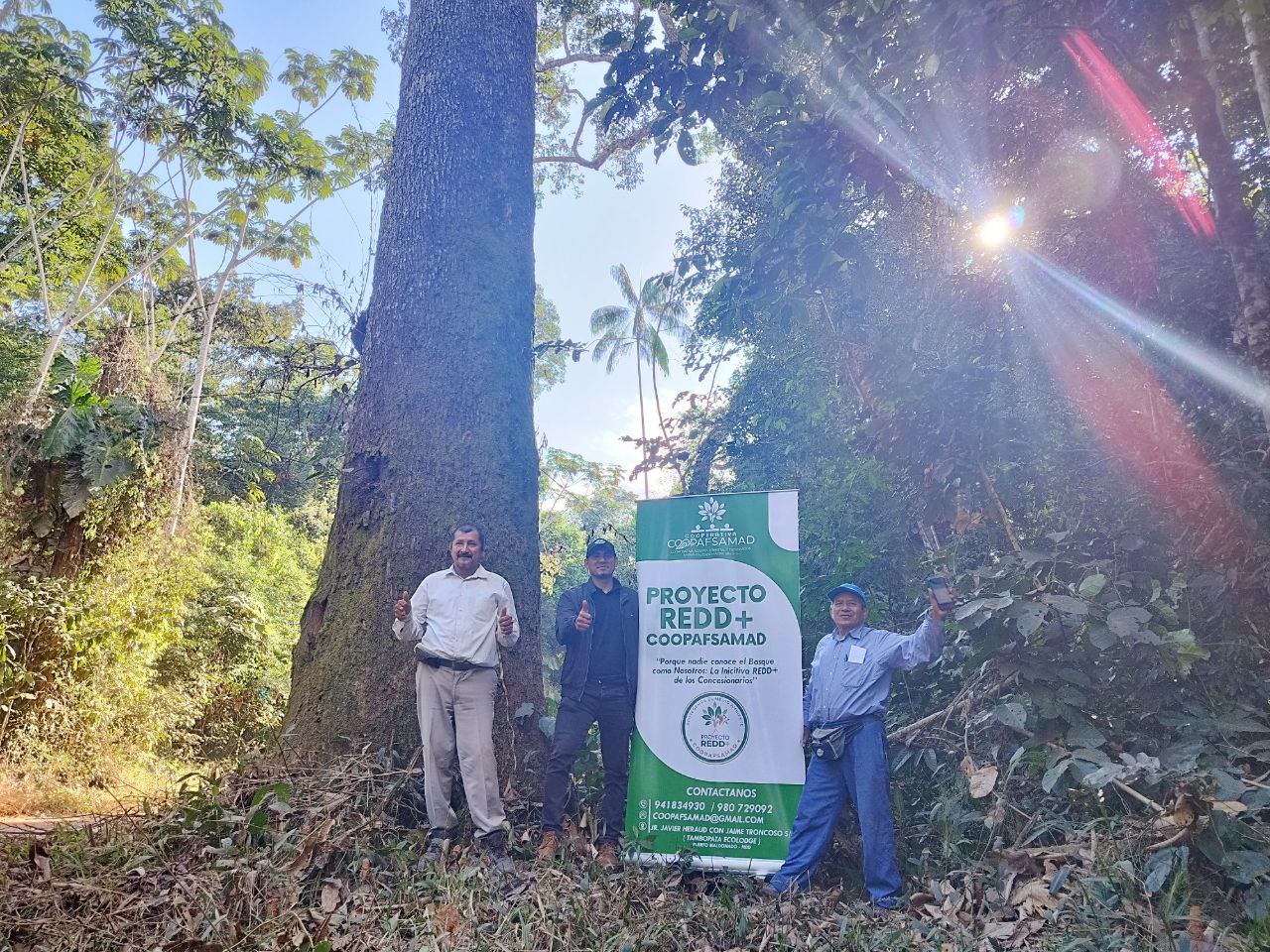
Forest Protection & Monitoring
Concession holders patrol and protect 260,000 hectares of Amazon forest from illegal logging, illegal mining, and agricultural encroachment. A new integrated monitoring system tracks forest cover, biodiversity, and land use changes in real time — with scientific and community-based observation ensuring early detection of threats to jaguars, caimans, tapirs, and the extraordinary bird diversity that makes Madre de Dios globally significant.
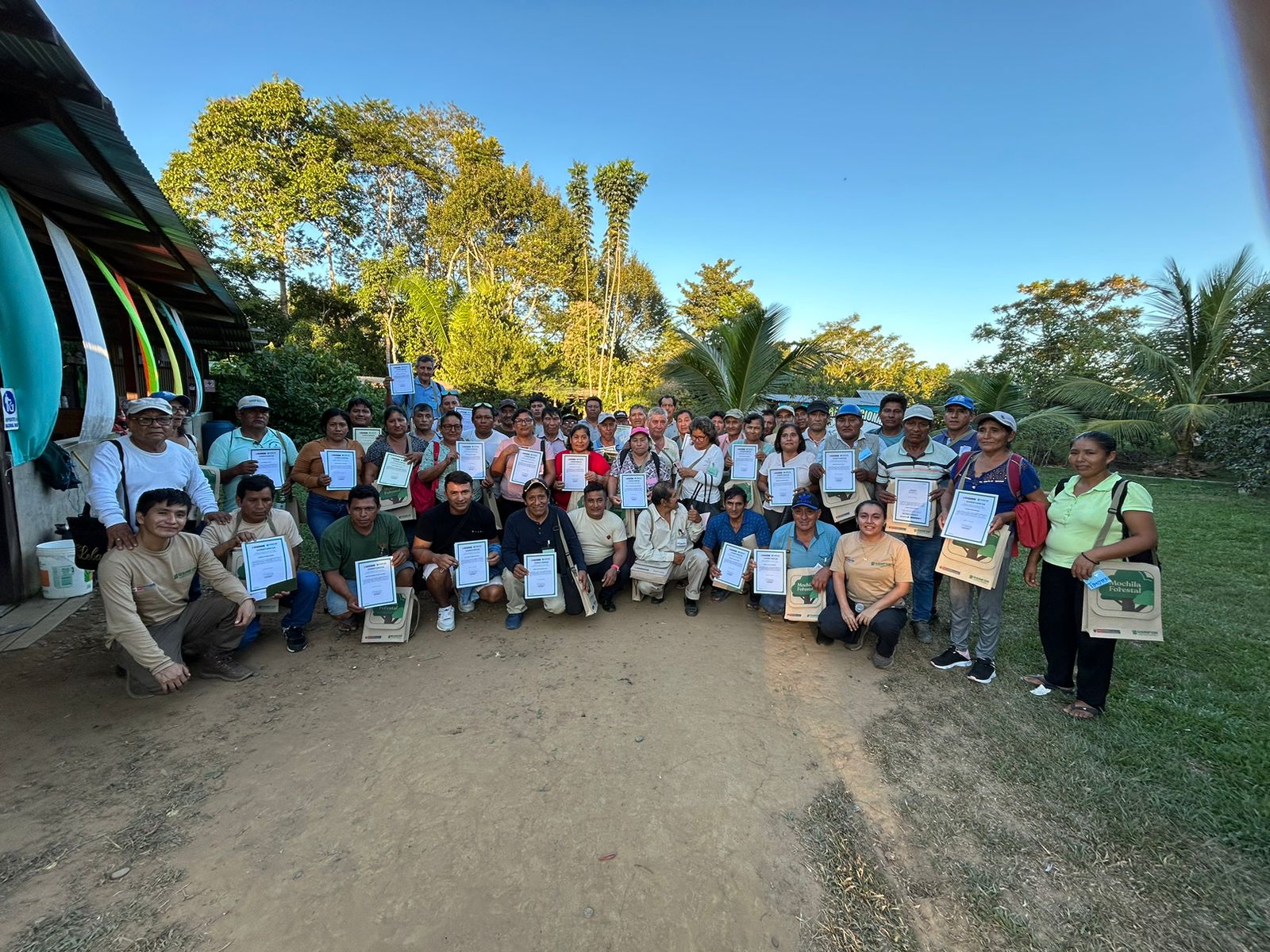
Cooperative Governance & Livelihoods
Strengthening the institutional capacity of COOPAFSAMAD enables members to coordinate forest management at scale, access carbon markets, and ensure transparent distribution of revenues. Training in sustainable harvesting, support for value-added processing of timber and non-timber forest products, and new income-generating opportunities align conservation with real economic benefit for cooperative members and their families.
Community Engagement & Agroforestry
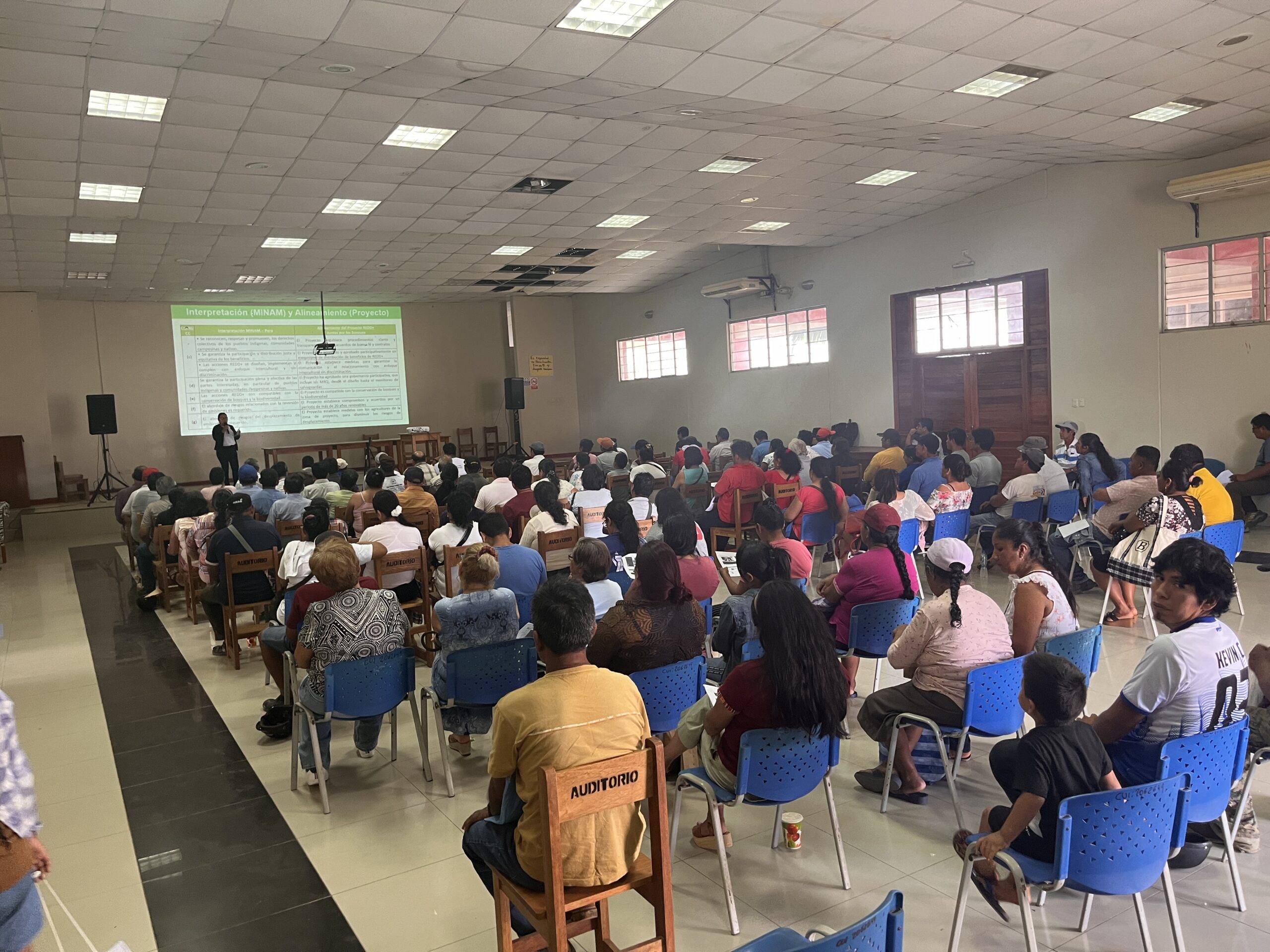
Community engagement is embedded throughout every activity, ensuring local knowledge, priorities, and rights shape conservation outcomes. Agroforestry systems are promoted on degraded agricultural land — restoring ecosystems, improving food security, and providing viable income alternatives to destructive land use. Forest concession holders are not just beneficiaries — they are active partners in every aspect of the project.
Key information
Program specifications
Benefit sharing
Fundo Clima — transparent distribution of carbon revenues
The benefit sharing mechanism was developed using a stock-flow methodology that recognises the relative contributions of different stakeholder groups to deforestation and forest protection. All information is subject to Brazil’s Access to Information Act and can be requested by anyone at any time.
The Board of Directors includes representatives from indigenous peoples, local communities, and government — ensuring equitable governance of how revenues are distributed.
State government-led initiatives
Improved CAR systems, deforestation tracking, command and control measures, fire management, and stakeholder engagement.
Indigenous peoples, traditional communities & family farmers
Direct benefit-sharing sub-programmes for IPLCs including quilombola communities and subsistence farmers.
Private landowners
Incentives for small, medium, and large private landowners to maintain native vegetation and adopt sustainable land management practices.
GET IN TOUCH
Source high-integrity credits from the world’s first JNR program
Our team would be happy to walk you through the program in detail, discuss volumes and pricing, or answer any technical questions.
Explore more porjects
From our active portfolio
Misiones
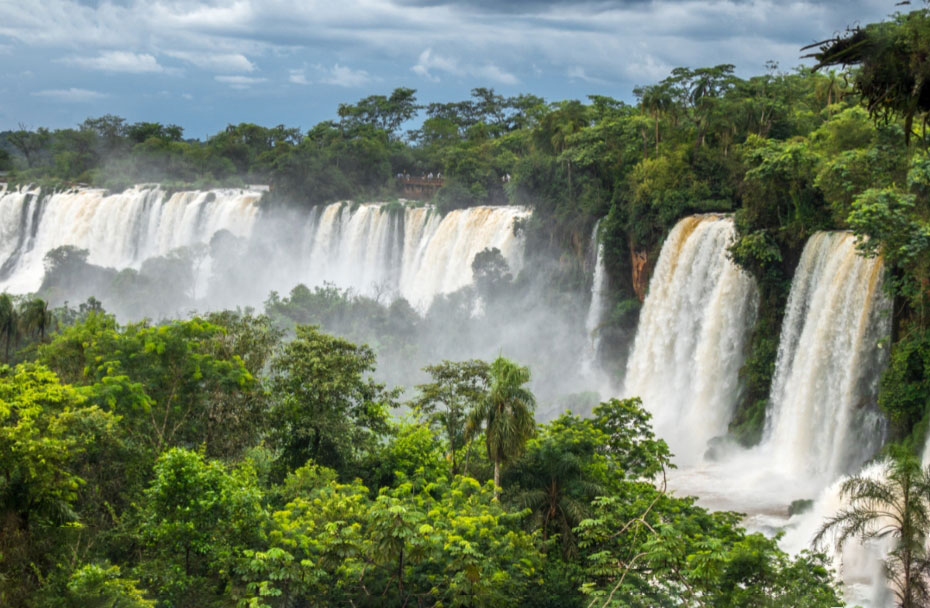
Government-led jurisdictional REDD+ program protecting the Paraná Atlantic Forest — one of the world’s most biodiverse ecosystems — with an A–AA BeZero Carbon Rating.
Kowen Antami
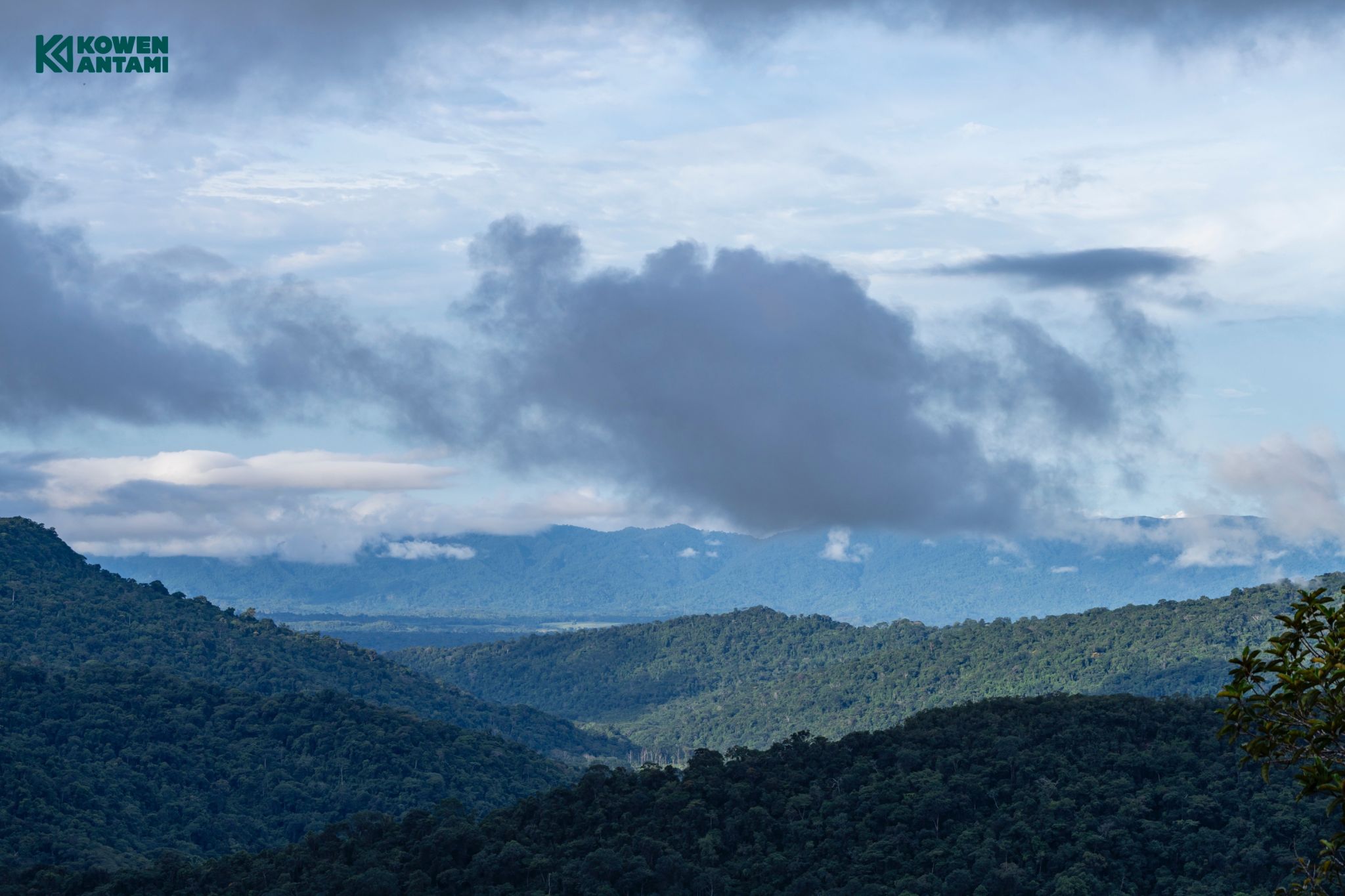
Indigenous-led management of 260,000+ hectares in the Pasco region, part of a UNESCO-designated biosphere reserve.
Tocantins
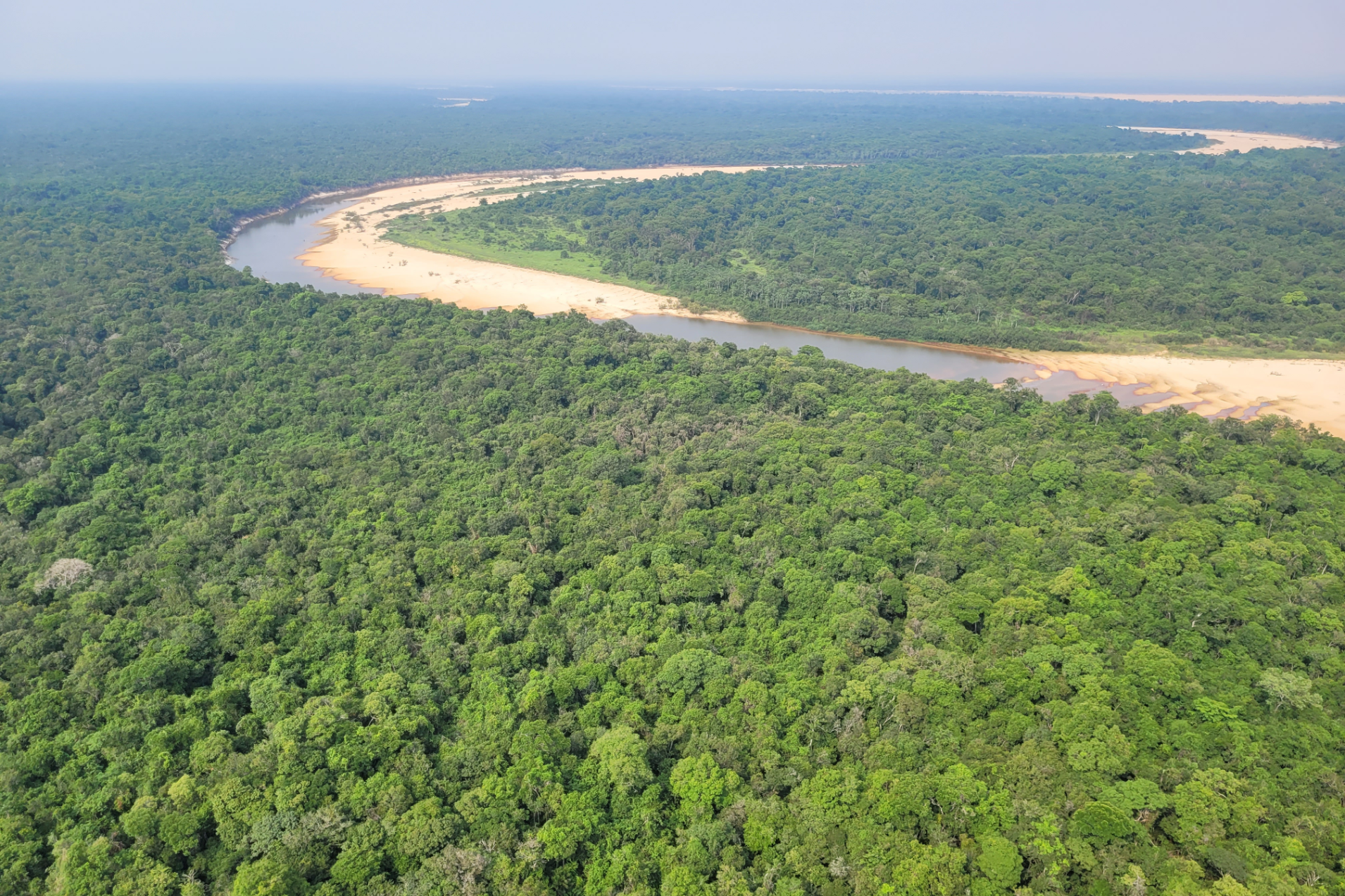
State-wide jurisdictional REDD+ program protecting forest across Brazil’s Tocantins state through a public-private partnership.