
📍 Yucatán Peninsula & Oaxaca, Mexico
Yucatán & Oaxaca Forest Restoration Projects
A portfolio of five community-owned forest restoration projects across the Yucatán Peninsula and Oaxaca — working with Ejido communities to restore over 50,000 hectares of the Mayan Forest, the second-largest continuous area of tropical vegetation in the Americas, while generating high-integrity removal credits under the Climate Action Reserve.
Forest under restoration
Total Mayan forest
Projects in portfolio
Project start year
ABOUT THE PROJECT
Restoring the Mayan Forest with the communities who depend on it
The region is losing 80,000+ hectares of forest every year due to cattle ranching and agricultural expansion — part of a broader pattern that has seen Mexico lose over 2 million hectares of forest and jungle in the past two decades, fragmenting habitats and threatening biodiversity and livelihoods.
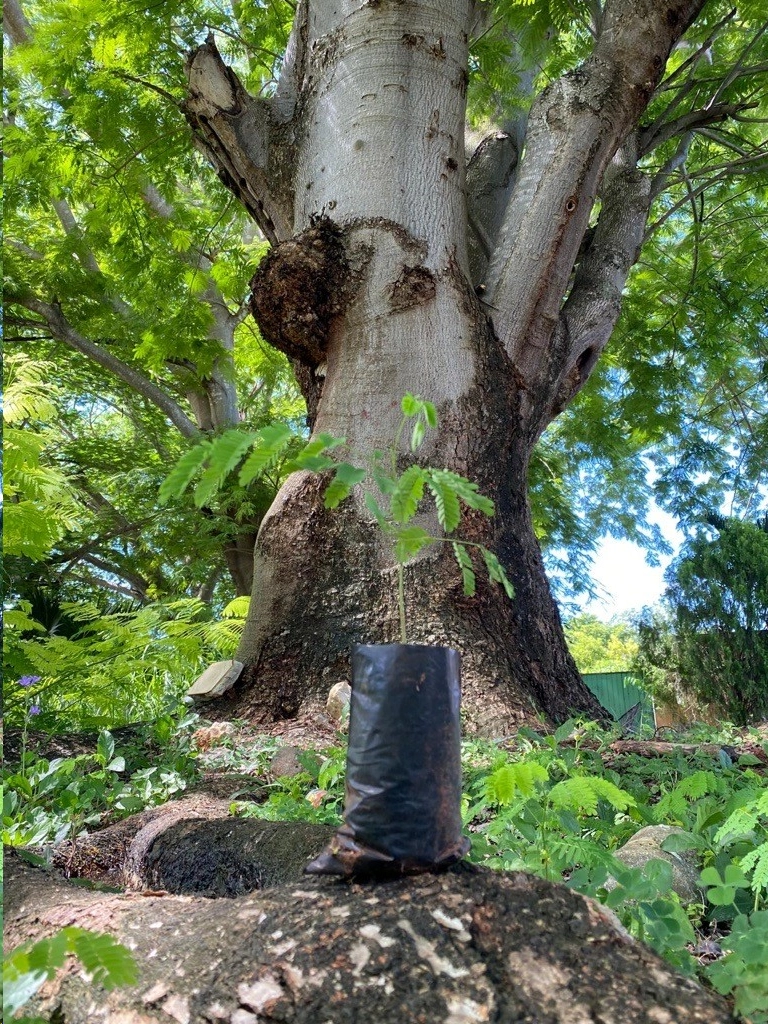
Each project works through Ejidos — communally owned lands collectively managed by local members — restoring degraded forests, building carbon stocks, and creating lasting economic alternatives for communities who have lived alongside these forests for generations.
Why this portfolio stands apart
✓
Removal credits — CRTs under Climate Action Reserve Mexico Forest Protocol V3, among the most rigorous standards available
✓
Community-owned governance through the Ejido system — all decisions made by Assembly vote, ensuring genuine consent and ownership
✓
Active forest restoration — not just protection. Reforestation of degraded sites, enrichment planting, and native species reintroduction
✓
Addresses multiple deforestation drivers simultaneously — fire, disease, illegal logging, and agricultural conversion
✓
Innovative eDNA sampling tracks biodiversity recovery and soil and water health — cutting-edge science embedded in community practice
✓
Benefit sharing directly funds community priorities — from forest protection employment to eco-tourism, beekeeping, and youth opportunities
The ejido model
Conservation rooted in communal land ownership
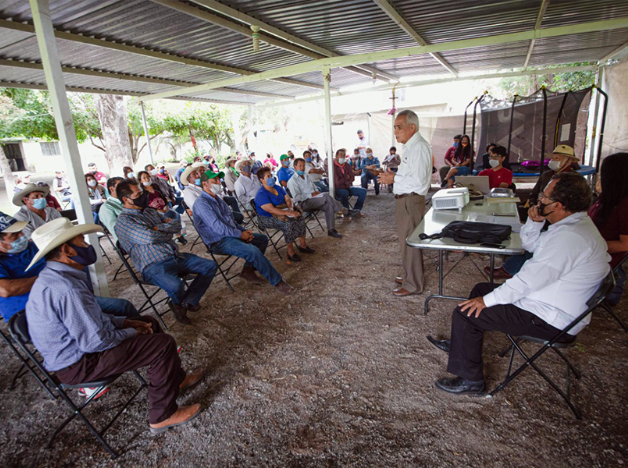
The Ejido system is a uniquely Mexican form of communal land ownership in which land is held collectively and managed by all members through democratic Assembly. It is the foundation of the Canopia portfolio — every project is built on, and governed by, the communities who own and know the land.
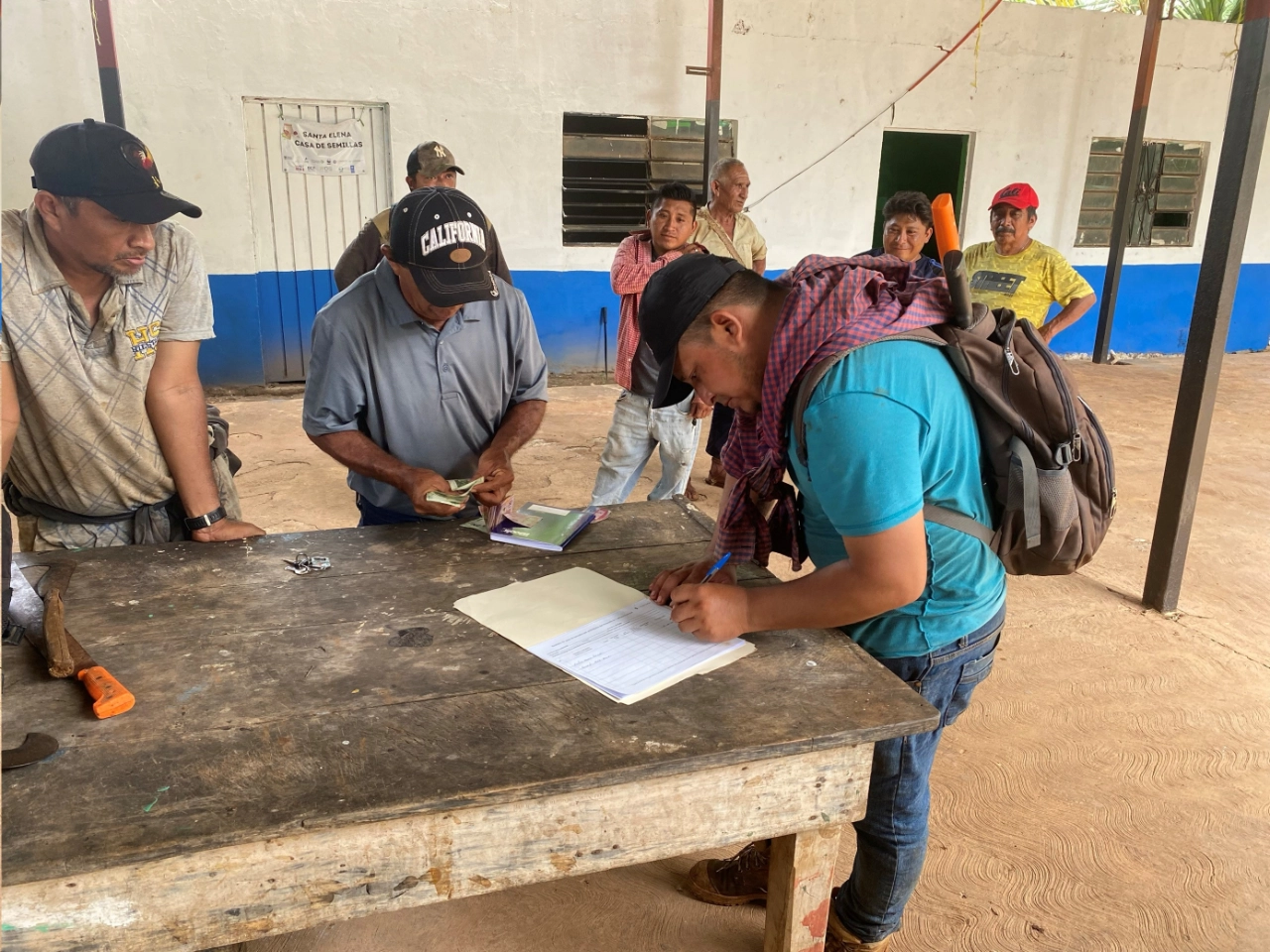
Before joining the carbon program, each Ejido goes through a robust, multi-meeting participatory process — learning about carbon market requirements, legal obligations, financial benefits, and long-term commitments. Only after the full Assembly votes in favour does a project proceed. This ensures that participation is fully informed, freely given, and collectively owned.
Biodiversity
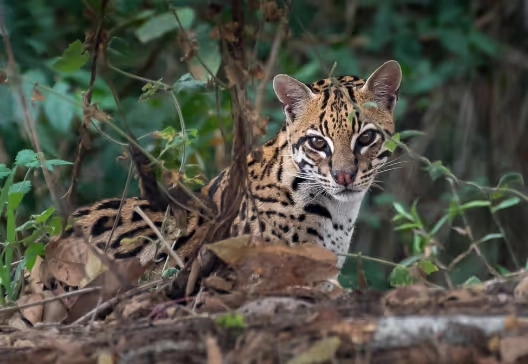
The Mayan Forest — a living legacy of the Americas
Key information
Program specifications
Program activities
How the restoration works
Forest Restoration
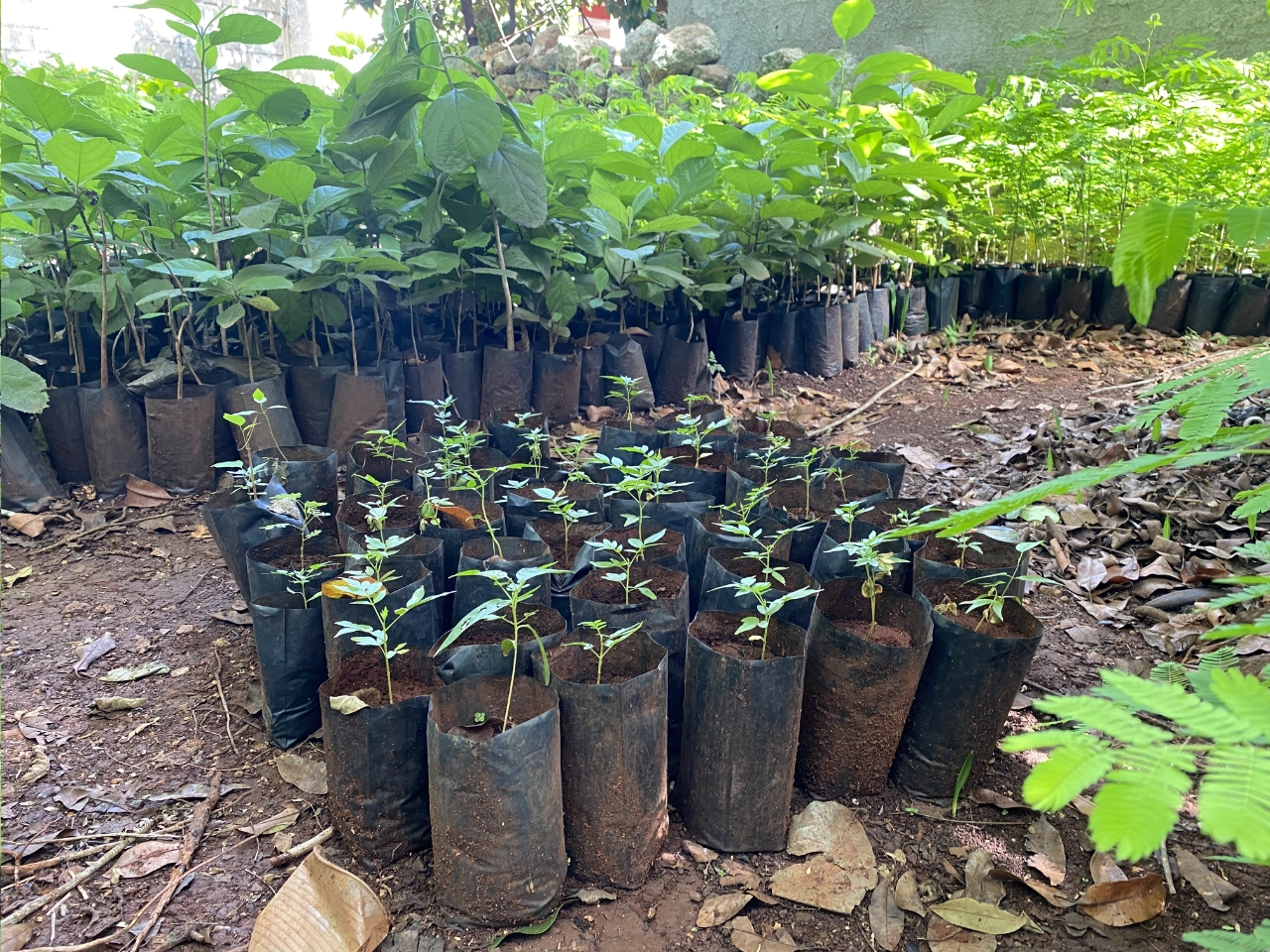
Reforestation of degraded sites, enrichment planting in partially degraded forest, and reintroduction of depleted native species to rebuild ecosystem structure, increase carbon stocks, and restore biodiversity over the long term.
Fire & Pest Management
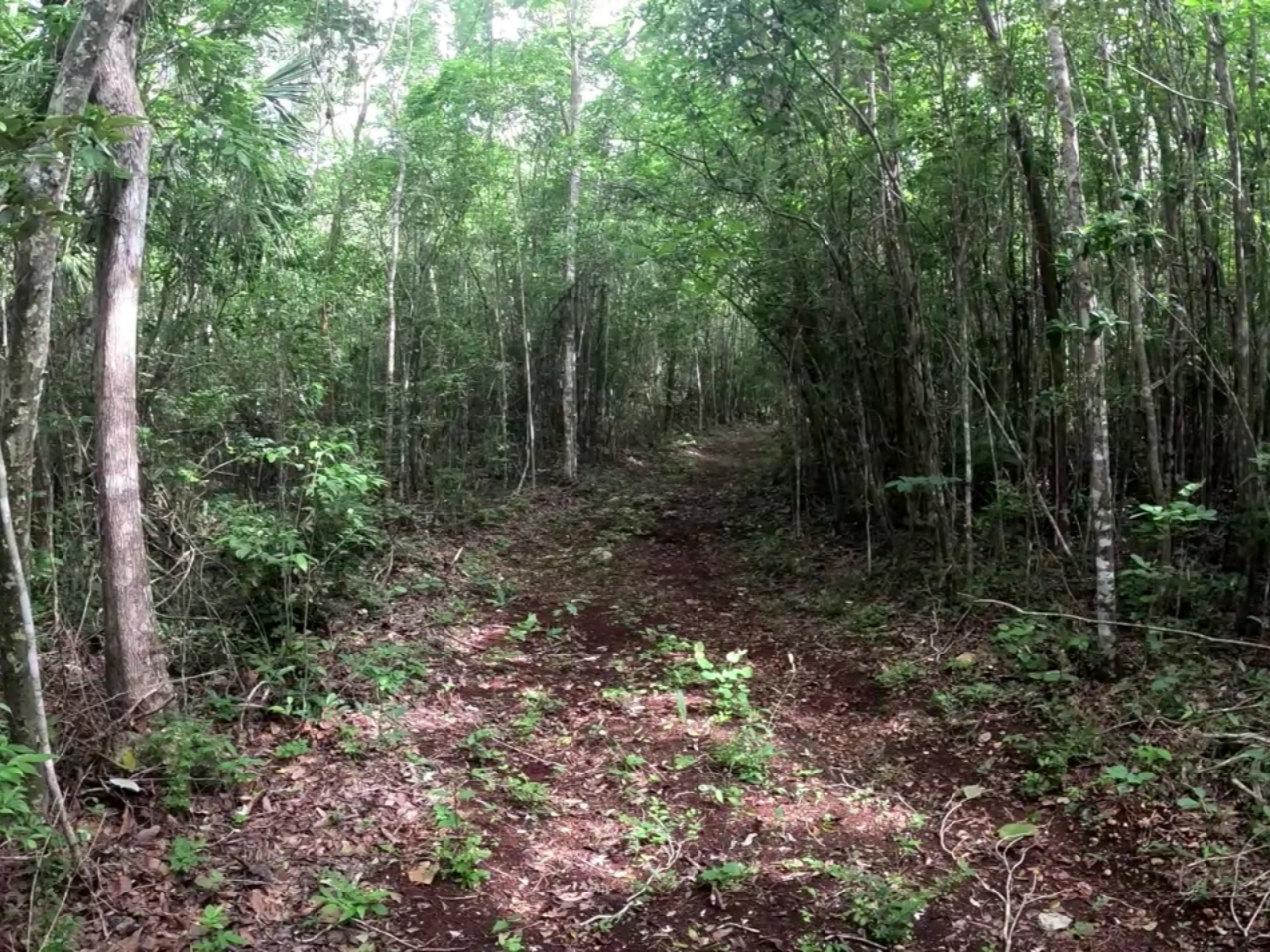
Installation of firebreaks and fire prevention measures to protect restored and healthy forest from wildfire. Monitoring and treatment programmes address the spread of tree diseases and pests that threaten carbon stocks and biodiversity.
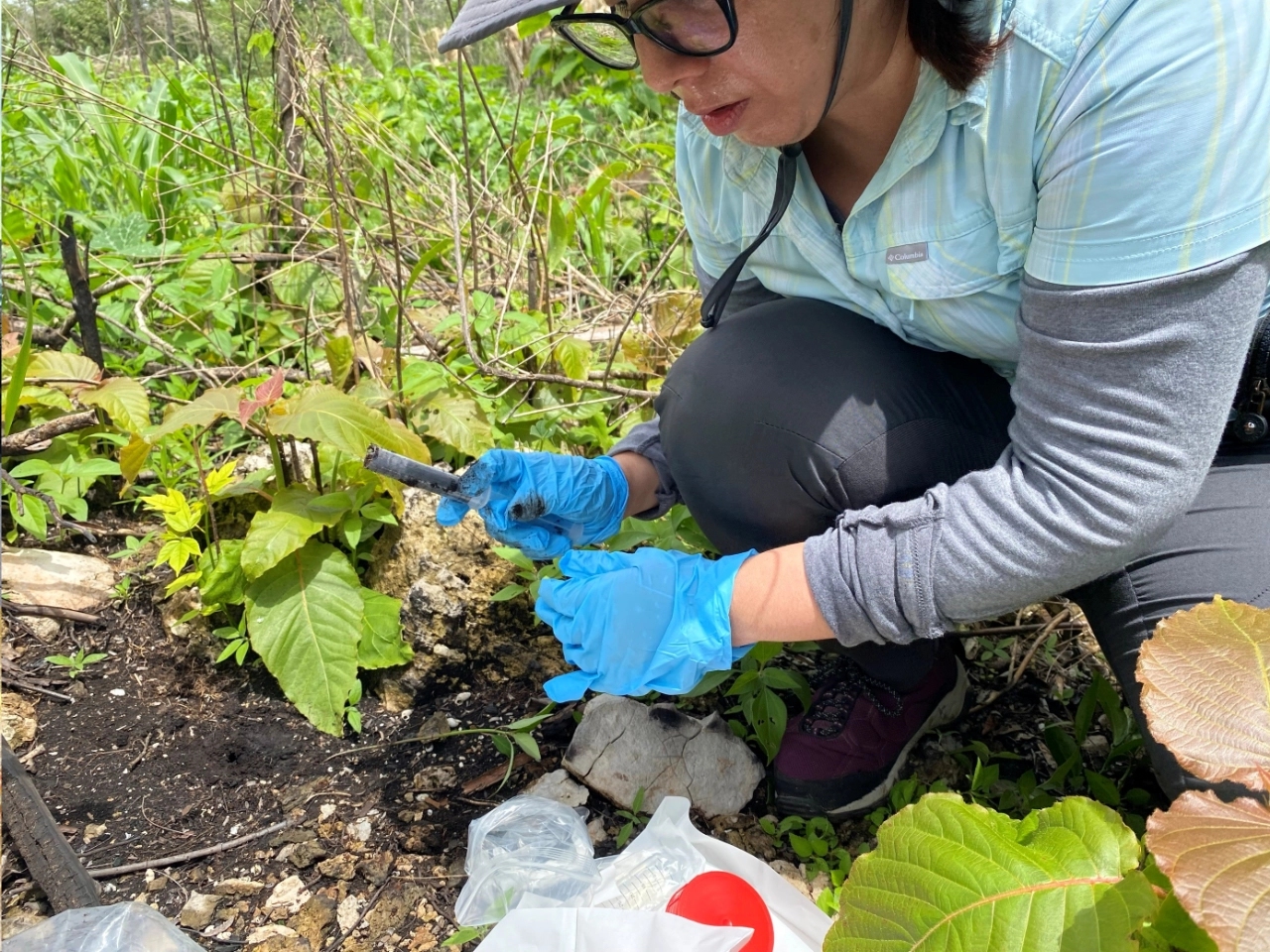
Monitoring & Biodiversity
Community members are trained in forest monitoring, biodiversity assessments, and innovative eDNA sampling — tracking soil and water health, measuring restoration progress, and providing early detection of ecological threats.
COMMUNITY BenefitS
Conservation that pays — directly to the people who protect the forest
Funds from carbon sales are directed towards community-determined priorities, with a dedicated benefit-sharing framework ensuring revenues flow to the people who earn them. Employment opportunities are specifically created for women and youth — groups historically excluded from the economic benefits of forest resources.
🐝 Beekeeping
🌲 Sustainable timber
🦋 Eco-tourism
👩 Women & youth employment
🌾 Sustainable agriculture
Safeguards & Standards
Climate Action Reserve —
rigorous standards for removal credits
All projects in the Canopia Mexico portfolio are registered under the Climate Action Reserve using the Mexico Forest Project Protocol Version 3.0 — one of the most stringent carbon accounting frameworks available, addressing additionality, leakage, uncertainty, and 100-year permanence.
Additionality is tested through a regulatory additionality requirement — only forest growth beyond the baseline is counted. Leakage is accounted for through a conservative deduction. Statistical uncertainty deductions are applied if accuracy targets are not met. 100-year permanence buffers protect against reversal risk.
Safeguards align with the UNFCCC Cancun Safeguards — respecting Indigenous rights, protecting biodiversity, and operating with full transparency. Ejidos join projects only after a robust, multi-meeting participatory process ensuring all members fully understand carbon market requirements, legal obligations, and financial benefits before committing.
All community decisions are subject to Assembly vote. All financial management is transparent and accountable to Ejido members.
GET IN TOUCH
Source high-integrity removal credits from Mexico’s Mayan Forest
CRTs under the Climate Action Reserve Mexico Forest Protocol — removal credits from community-owned, Ejido-governed forest restoration projects.
Our team would be happy to walk you through the portfolio, discuss volumes and pricing, or answer technical questions.
Explore more porjects
From our active portfolio
Tocantins
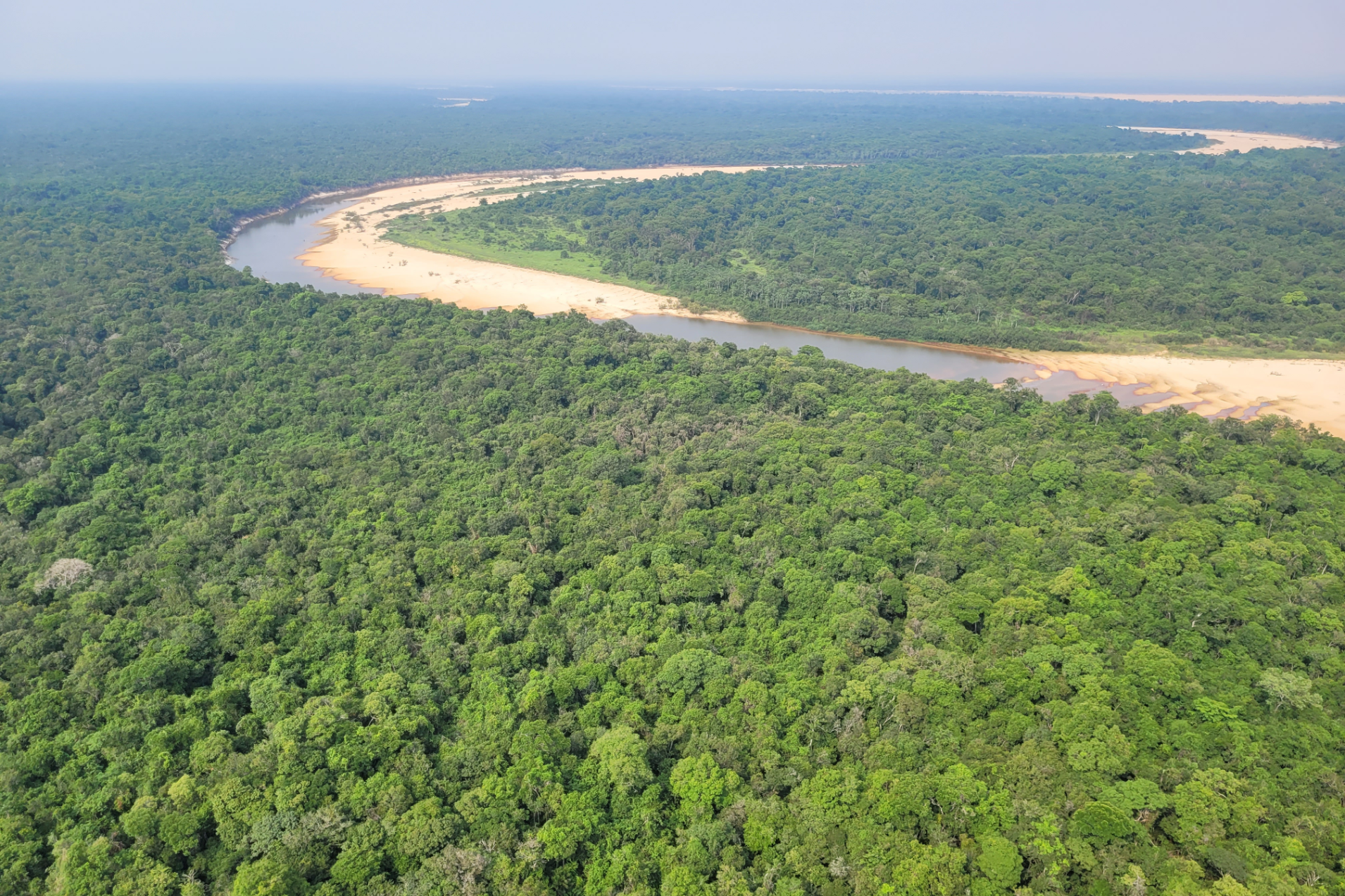
State-wide jurisdictional REDD+ program protecting forest across Brazil’s Tocantins state through a public-private partnership.
Kowen Antami
Indigenous-led management of 260,000+ hectares in the Pasco region, part of a UNESCO-designated biosphere reserve.
Misiones
Government-led jurisdictional REDD+ program protecting the Paraná Atlantic Forest — one of the world’s most biodiverse ecosystems — with an A–AA BeZero Carbon Rating.