
📍 Pasco Region, Peru
Kowen Antami REDD+ Program
Protected area
Protected areas managed
Management contract years
Program year start
ABOUT THE PROGRAM
Indigenous-led conservation in the heart of Peru
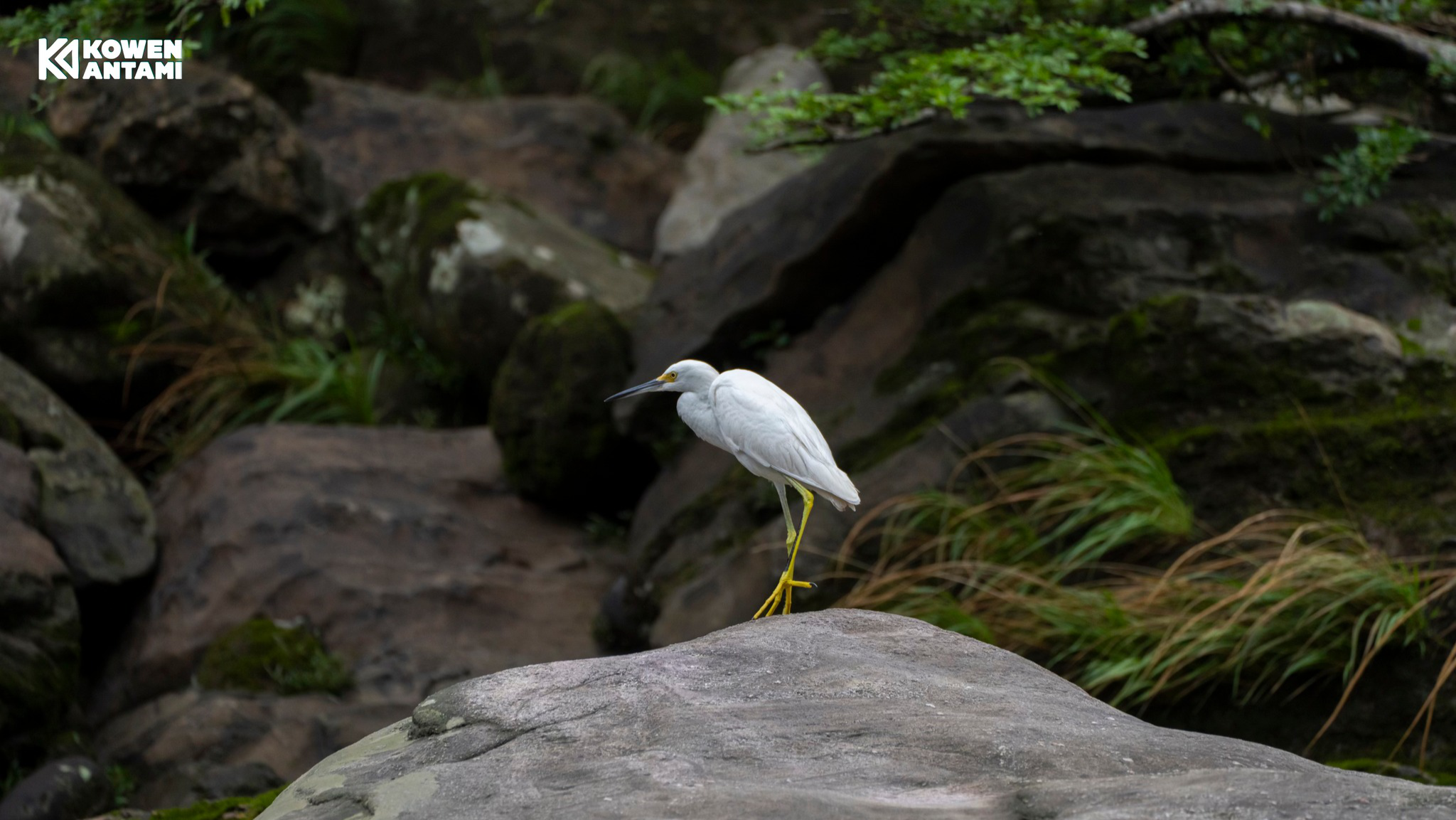
Together, these areas form a core part of the Oxapampa–Asháninka–Yánesha Biosphere Reserve (BIOAY) — a UNESCO-recognised sanctuary of biodiversity and culture, home to spectacled bears, pumas, jaguars, and extraordinary plant diversity including countless endemic orchids.
For generations, the Asháninka and Yánesha peoples have lived in balance with this environment. The Kowen Antami project places them at the centre of conservation, sustainable livelihoods, and climate resilience — reversing twenty years of increasing deforestation and degradation.
Why this project stands apart
✓
First time indigenous communities have managed national parks in Peru
✓
Part of a UNESCO-recognised Biosphere Reserve — one of the world’s most biodiverse regions
✓
20-year management contract providing long-term conservation certainty
✓
Validated under Verra VCS with CCB (Climate, Community & Biodiversity) Standards
✓
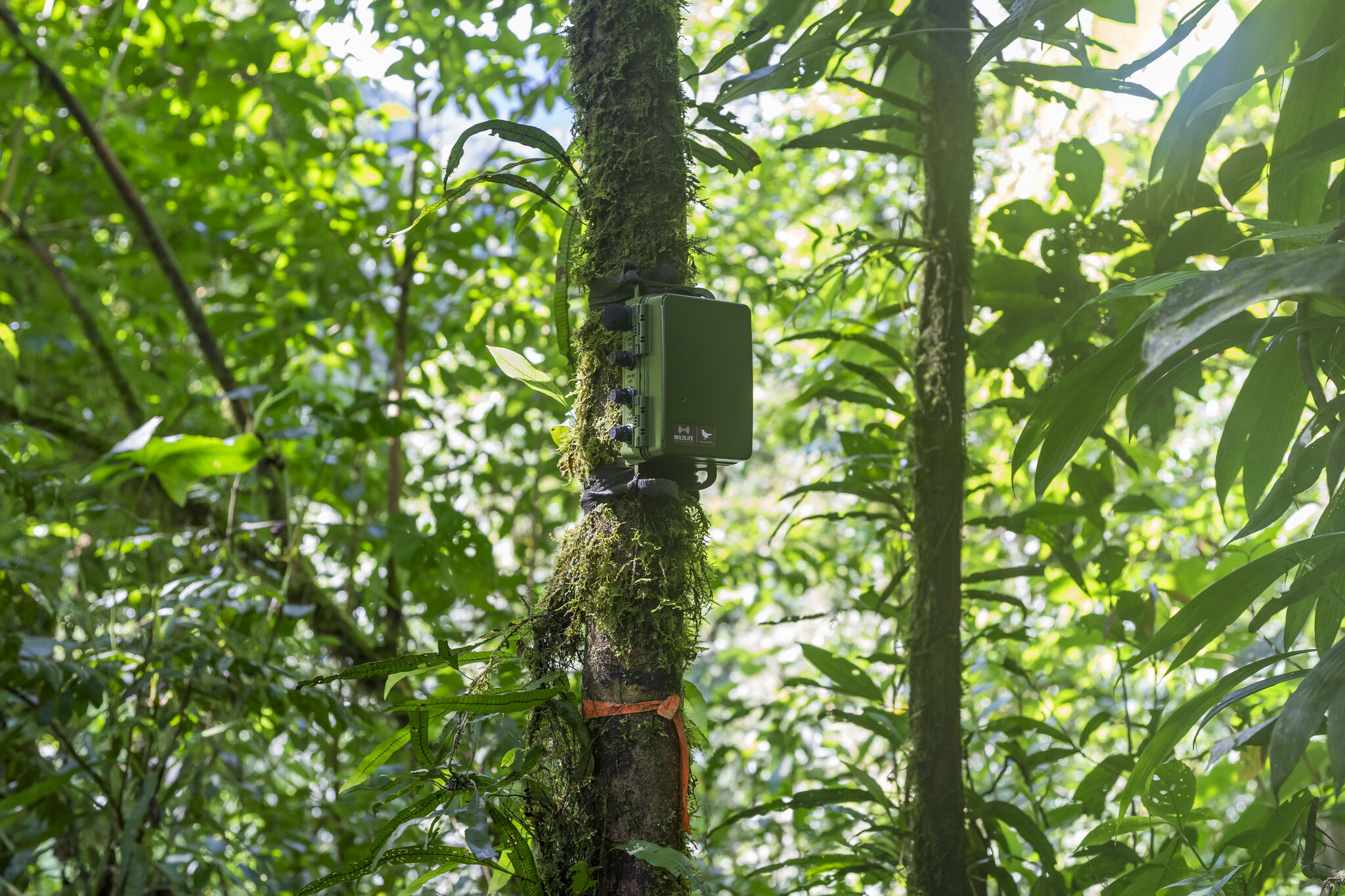
Bio-acoustic monitoring systems installed for advanced biodiversity tracking
✓
Silvania financing and marketing agreement securing long-term project viability
The consortium
Three organisations. One shared mission.
Project lead
DRIS
Desarrollo Rural Sustentable — a local NGO with extensive experience in park administration, community engagement, and sustainable development across Peru.
Indigenous organisation
ANAP
Asociación de Nacionalidades Asháninkas del Valle del Pichis — representing Asháninka indigenous communities in the Pichis Valley and a core voice in project governance.
Indigenous organisation
AMARCY
Asociación para el Manejo y Conservación de la Reserva Comunal Yanesha — representing Yánesha communities and bringing deep traditional ecological knowledge to the project.
Project activities
How the program works
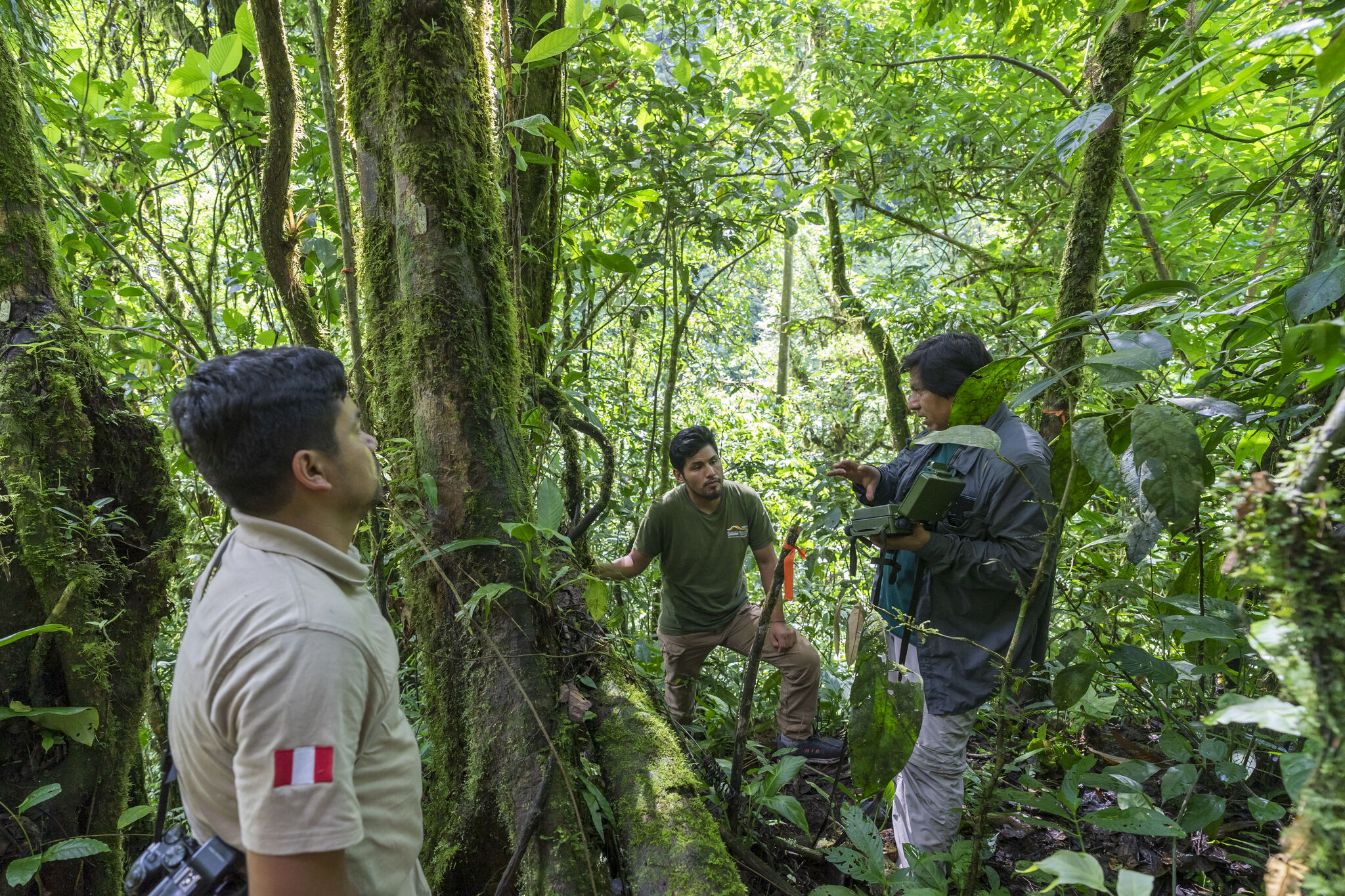
Patrolling & monitoring
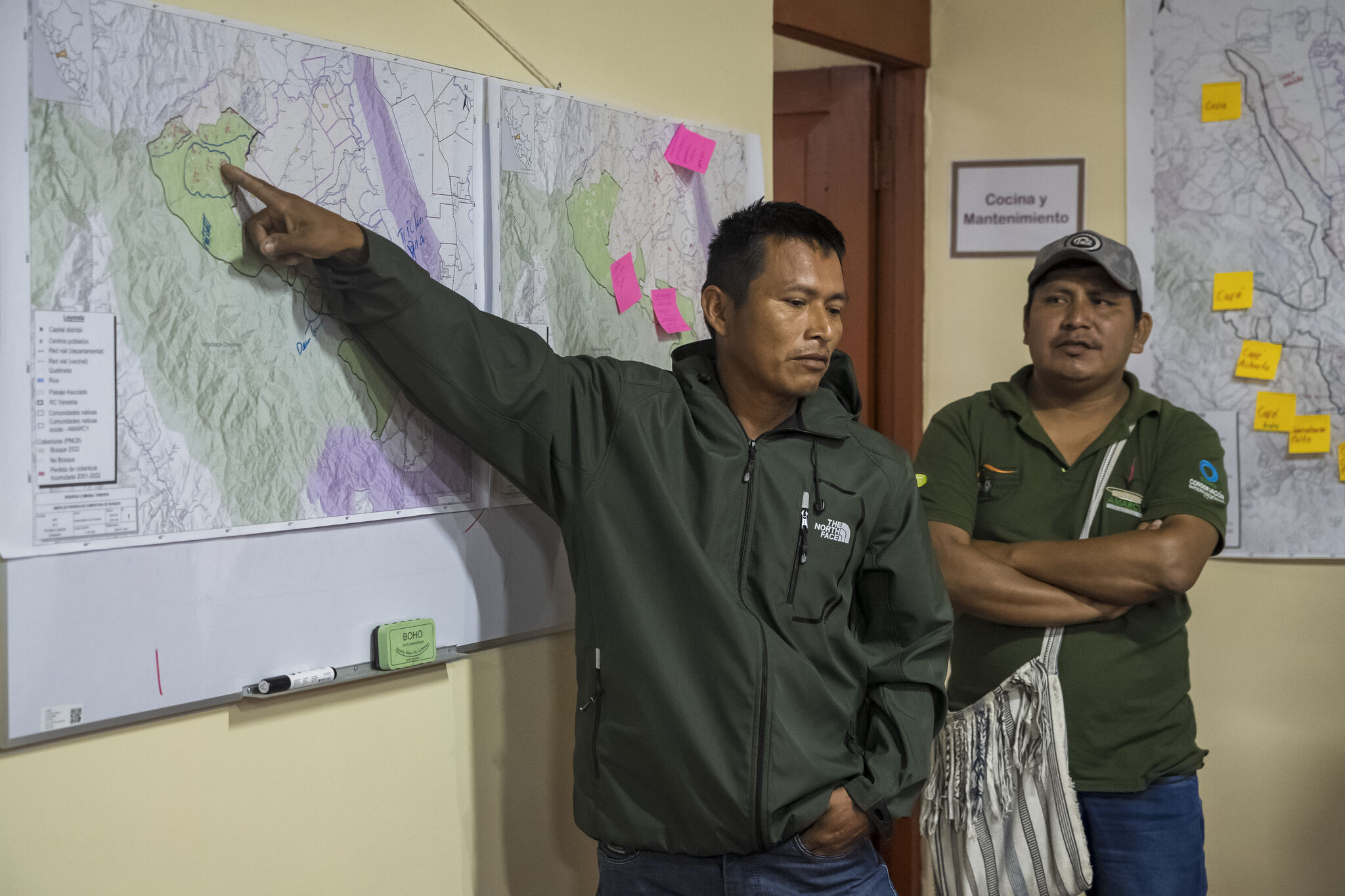
Community members patrol and monitor Yanachaga Chemillén National Park and San Matías–San Carlos Protection Forest, preventing illegal logging and land clearance across 260,000 hectares of cloud forest and tropical rainforest.
Science meets tradition
Bio-acoustic systems installed across the protected areas track wildlife populations in real time, capturing data on species from the spectacled bear and jaguar to the extraordinary diversity of endemic orchids and amphibians.
Scientific monitoring is combined with indigenous ecological knowledge passed down through generations of Asháninka and Yánesha communities — creating a uniquely rich picture of ecosystem health that informs conservation decisions across the entire biosphere reserve.
Communities at the heart of conservation
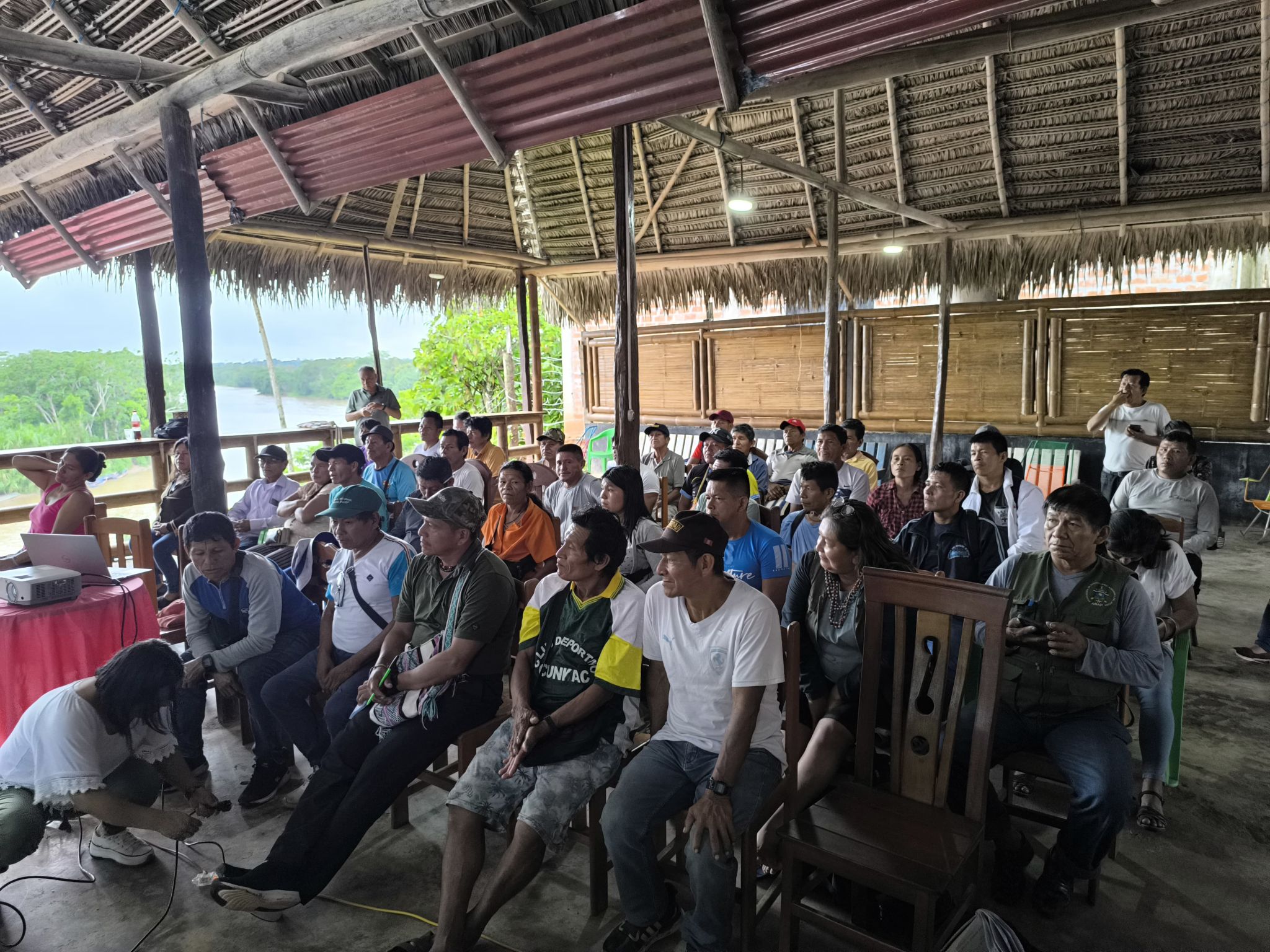
Decision-making runs through assemblies, consultations, and consensus — ensuring Asháninka and Yánesha communities are at the heart of every decision, with benefit-sharing frameworks shaped and approved by the communities themselves.
Eco-tourism, sustainable agriculture, and community-based enterprises provide income alternatives aligned with conservation.
Restoring ecosystems, building resilience
REDD+ activities reduce emissions and support communities in adapting to increasing climate pressures.
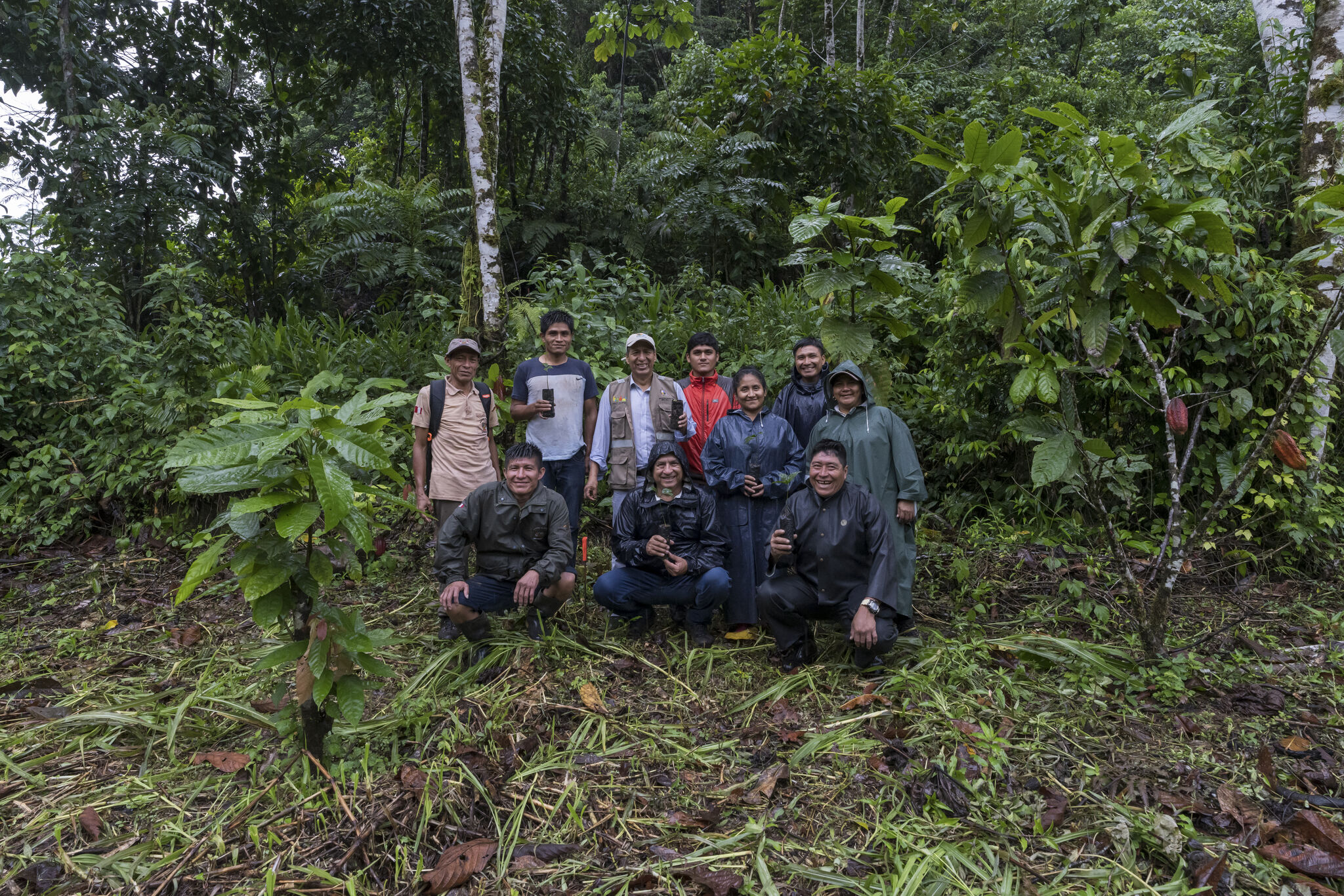
Active restoration of degraded areas, watershed management, and ecological connectivity programmes strengthen carbon stocks and build long-term ecosystem resilience.
Safeguards & standards
The highest environmental and social standards
The project is guided by Verra CCB (Climate, Community & Biodiversity) Standards — ensuring lasting, transparent, and equitable impact across environmental, social, and governance dimensions.
Indigenous organisations lead the project directly. Benefit-sharing frameworks were developed over extensive community consultation, with carbon revenues reinvested into priorities identified by the communities themselves — not imposed from outside. Land rights and cultural heritage are formally protected throughout the project lifecycle.
Governance runs through assemblies, consultations, and consensus. Every relevant stakeholder — including indigenous peoples and local communities — has a meaningful voice in how the project operates, reports, and evolves. This is not tick-box compliance; it is the structural foundation of the project.
Accountability is built in at every level. Indigenous leadership oversees project activities, reporting, and verification, with transparent processes that foster trust among communities, partners, and credit buyers alike.
Key information
Program specifications
GET IN TOUCH
Source high-integrity credits from indigenous-led conservation
REDD+ credits from one of Peru’s most significant indigenous-led conservation projects.
Our team would be happy to walk you through the program in detail, discuss volumes and pricing, or answer technical questions.
Explore more porjects
From our active portfolio
Tocantins
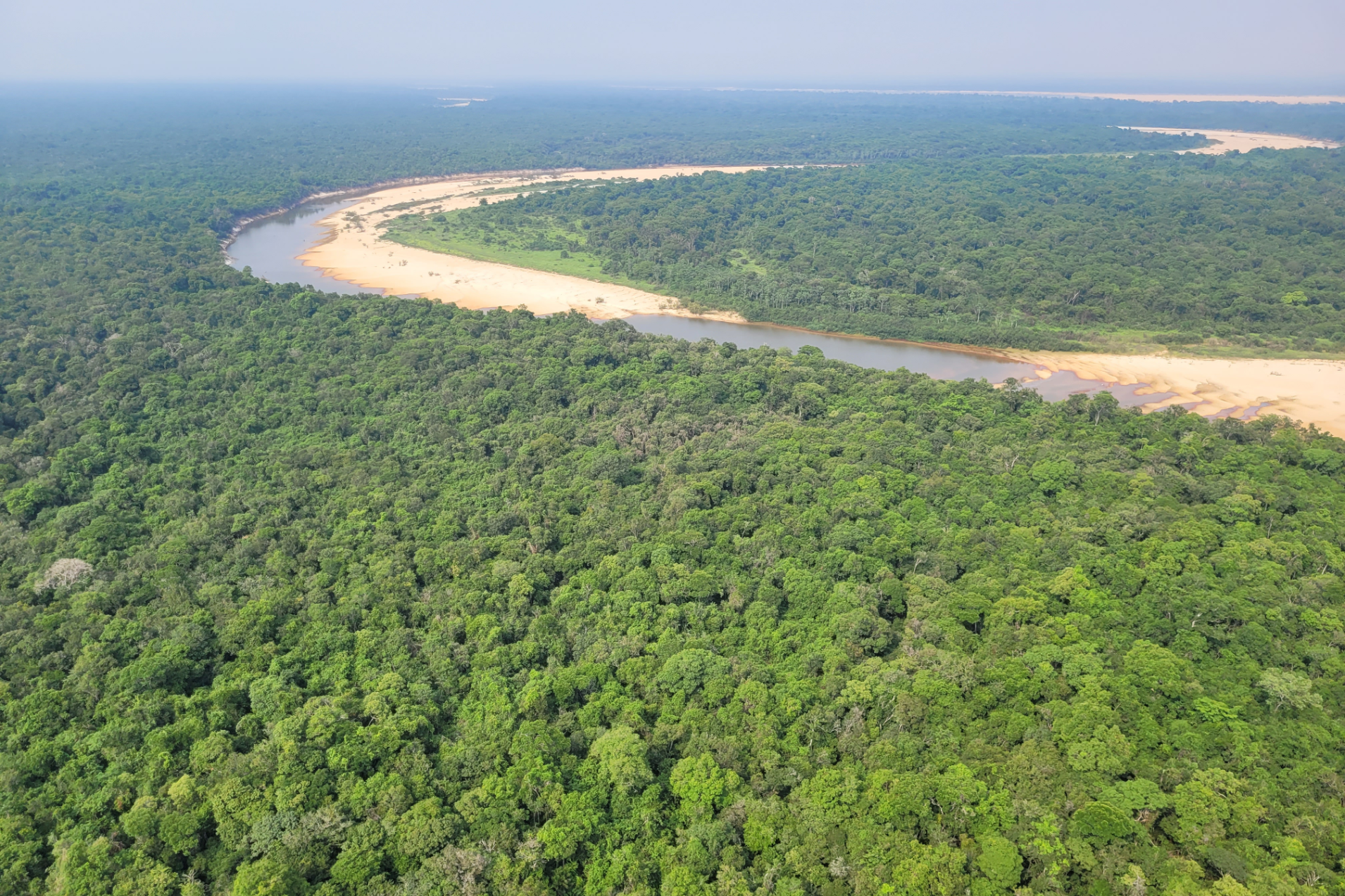
State-wide jurisdictional REDD+ program protecting forest across Brazil’s Tocantins state through a public-private partnership.
Yucatán
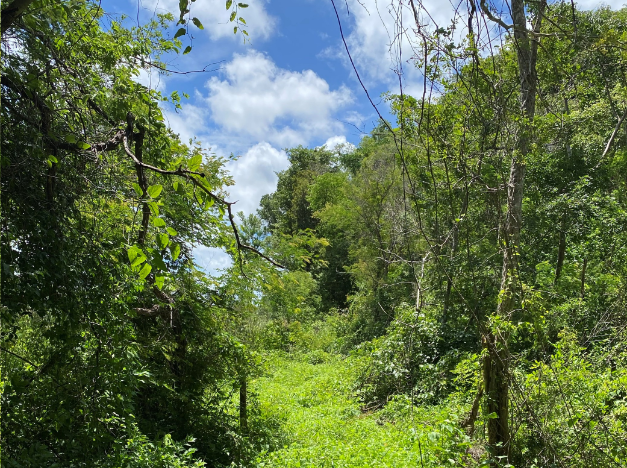
Portfolio of five community-owned forest restoration projects, working with Ejido communities to restore the Mayan Forest under the Climate Action Reserve.
Misiones
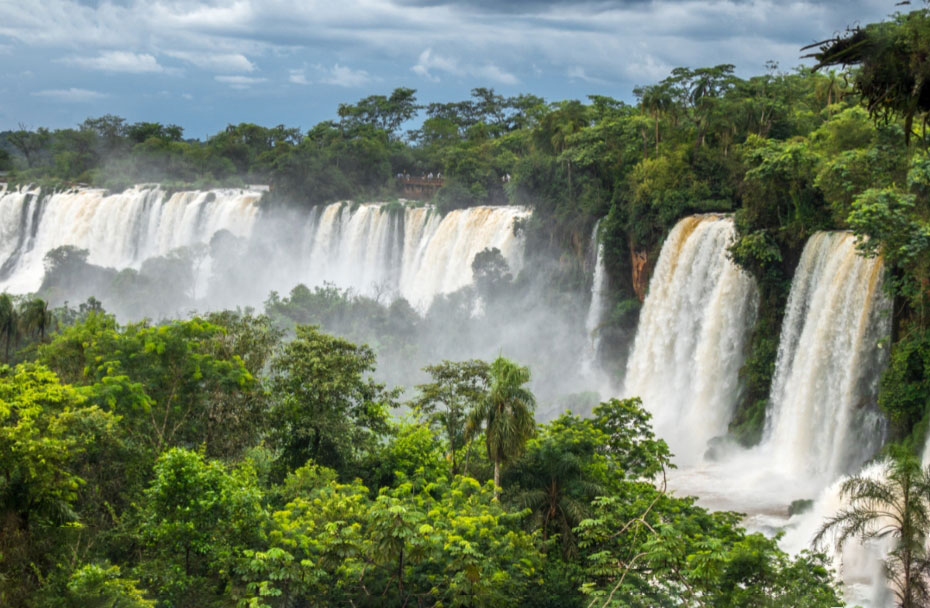
Government-led jurisdictional REDD+ program protecting the Paraná Atlantic Forest — one of the world’s most biodiverse ecosystems — with an A–AA BeZero Carbon Rating.